
Surfaces Designed for Water and Impact
Tile Installation & Tile Remodeling in Colorado Springs for bathroom and kitchen upgrade projects
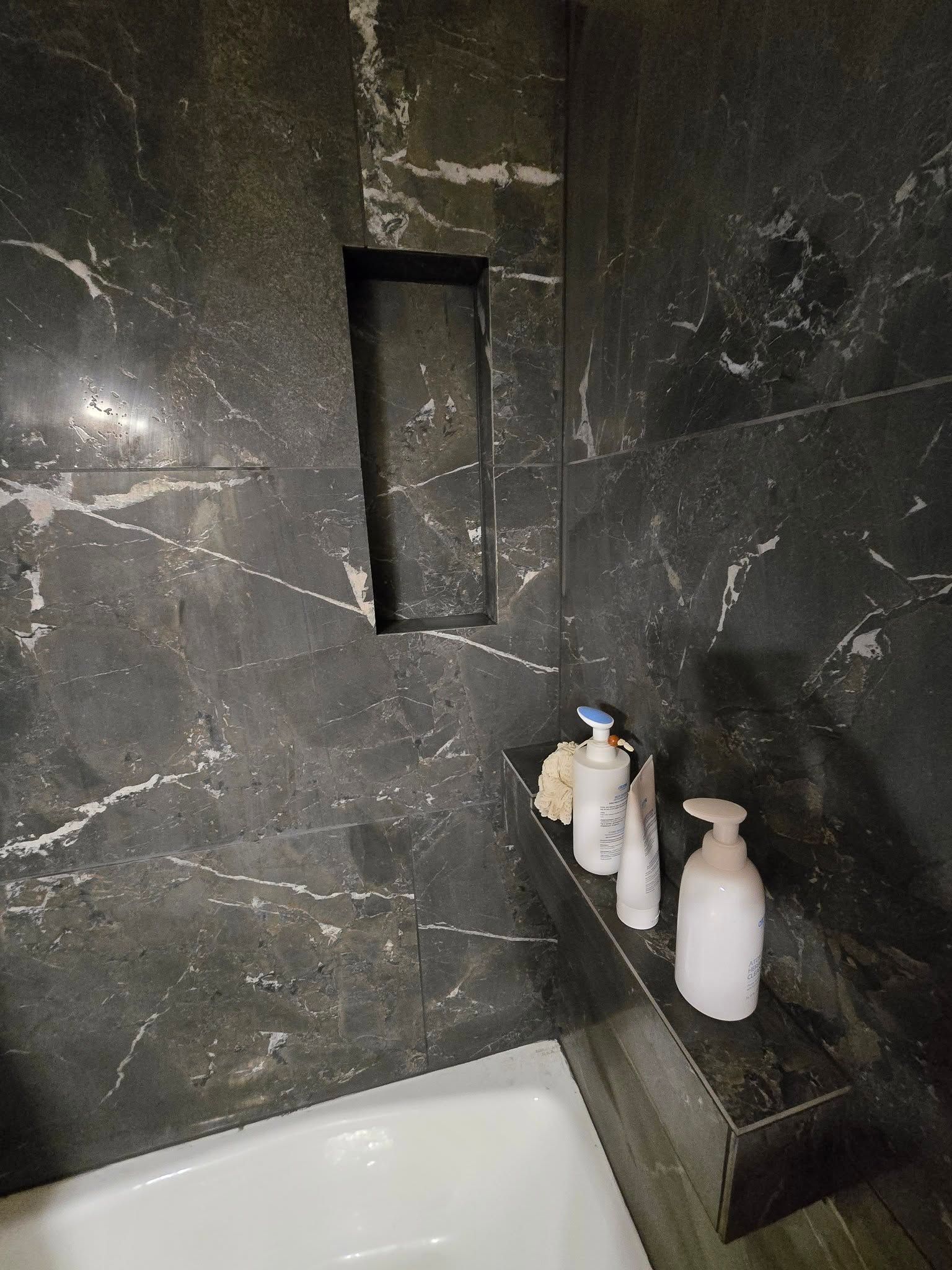
Grout lines that have darkened with mold, cracked tile from impact or structural movement, and outdated tile patterns that define the age of your home all signal the need for tile replacement. InstallX handles tile installation and remodeling for Colorado Springs homeowners updating bathrooms, kitchens, and other areas where moisture resistance and durability determine how long the finish lasts. Tile work goes beyond placing material on a wall—it involves waterproofing membranes, proper slope in shower pans, and ensuring the substrate can handle the weight and moisture exposure without failure.
Tile installations require different substrate preparation depending on location. Bathroom showers demand cement board or waterproof membrane systems that prevent water from reaching framing, while kitchen backsplashes over drywall need proper adhesive selection to handle the tile weight without sagging. Floors require underlayment that won't flex under tile, since any movement in the substrate transfers directly to grout lines and causes cracking within months of installation.
Request a tile installation consultation to evaluate substrate conditions and discuss pattern layout for your specific project.
How Tile Addresses Long-Term Moisture Exposure
Tile itself resists water, but the system beneath it determines whether moisture reaches wood framing or drywall and causes rot. Waterproofing membranes go on walls and floors before tile installation, creating a continuous barrier that directs water toward the drain rather than into wall cavities. Shower installations include sloped mortar beds or prefabricated pans that prevent water from pooling, and all penetrations for fixtures get sealed with compatible materials that flex with building movement without tearing.
After installation, you'll notice grout lines that remain consistent in width across the entire surface, tile edges that align without lippage between adjacent pieces, and corners where trim pieces meet at precise angles without gaps. Water sheets directly toward drains in showers without pooling in corners or along walls, and backsplashes sit flush against countertops without gaps that collect debris. The finish maintains its appearance because the substrate beneath was prepared to remain stable under moisture and temperature changes.
Tile remodeling projects often involve removing old tile to assess the substrate condition, since previous installations may have skipped waterproofing or used improper backerboard that deteriorated over time. Decorative installations like accent tile and custom patterns require layout planning before installation begins to avoid awkward cuts or pattern interruptions at corners and edges.
Common Questions About Tile Projects
Tile installations involve material choices, substrate requirements, and maintenance considerations that affect both appearance and longevity.
What determines whether existing tile can be tiled over or must be removed?
The existing tile must be solidly bonded, level, and free of movement, and the added height from a second layer cannot interfere with door clearances or fixture installations, so most bathroom remodels require full removal to address underlying waterproofing and substrate issues.
How does tile size affect installation complexity and cost?
Larger format tiles require flatter substrates to prevent lippage, need more precise layout to avoid narrow cuts at edges, and use more material waste during cuts, but they reduce grout line maintenance and provide a more contemporary appearance compared to smaller mosaic patterns.
When should grout sealing happen after installation?
Grout needs seventy-two hours to cure fully before sealing, and sealers should be reapplied annually in showers or other high-moisture areas to prevent staining and mold growth in the porous grout material.
What substrate preparation does a kitchen backsplash require in Colorado Springs homes?
Drywall provides adequate substrate for backsplash tile as long as it's primed, the tile weight stays within adhesive limits, and the area doesn't receive direct water spray, though areas behind sinks benefit from water-resistant backerboard to handle splashing and humidity.
How do natural stone tiles differ from porcelain in maintenance requirements?
Natural stone like marble or travertine requires sealing to resist staining from oils and acids, shows etching from acidic cleaners, and needs pH-neutral maintenance products, while porcelain tile resists staining without sealing and tolerates standard household cleaners without surface damage.
Tile installation quality shows in the details—consistent grout lines, properly aligned edges, and waterproofing that prevents callbacks years later. InstallX provides tile installation across bathroom, kitchen, and decorative applications with attention to substrate integrity and finish precision. Arrange a project review to discuss material options and layout planning for your remodel.