
Floors Built to Handle Daily Wear
Flooring Installation in Colorado Springs for replacing outdated or visibly worn interior floors
InstallX provides flooring installation for homeowners in Colorado Springs dealing with scratched hardwood, cracked tile, or vinyl that has lost its finish after years of foot traffic. The service addresses floors that show visible damage, inconsistent surfaces that affect furniture placement, or outdated materials that no longer match the rest of the home's interior. You'll notice the difference immediately when baseboards align correctly with new flooring and transitions between rooms sit flush without gaps or height changes.
The installation process starts with subfloor preparation, which determines whether your new flooring remains stable or develops hollow spots and movement over time. Subfloor issues like uneven plywood, moisture damage, or improper fastening must be corrected before any finish material goes down, particularly with luxury vinyl plank that telegraphs every imperfection beneath it. Colorado Springs homes built on expansive clay soils often develop minor slab movement, so floating floor systems with proper underlayment provide better long-term performance than rigid glue-down installations in those conditions.
Request a flooring estimate that includes both material selection and subfloor evaluation for your specific rooms.
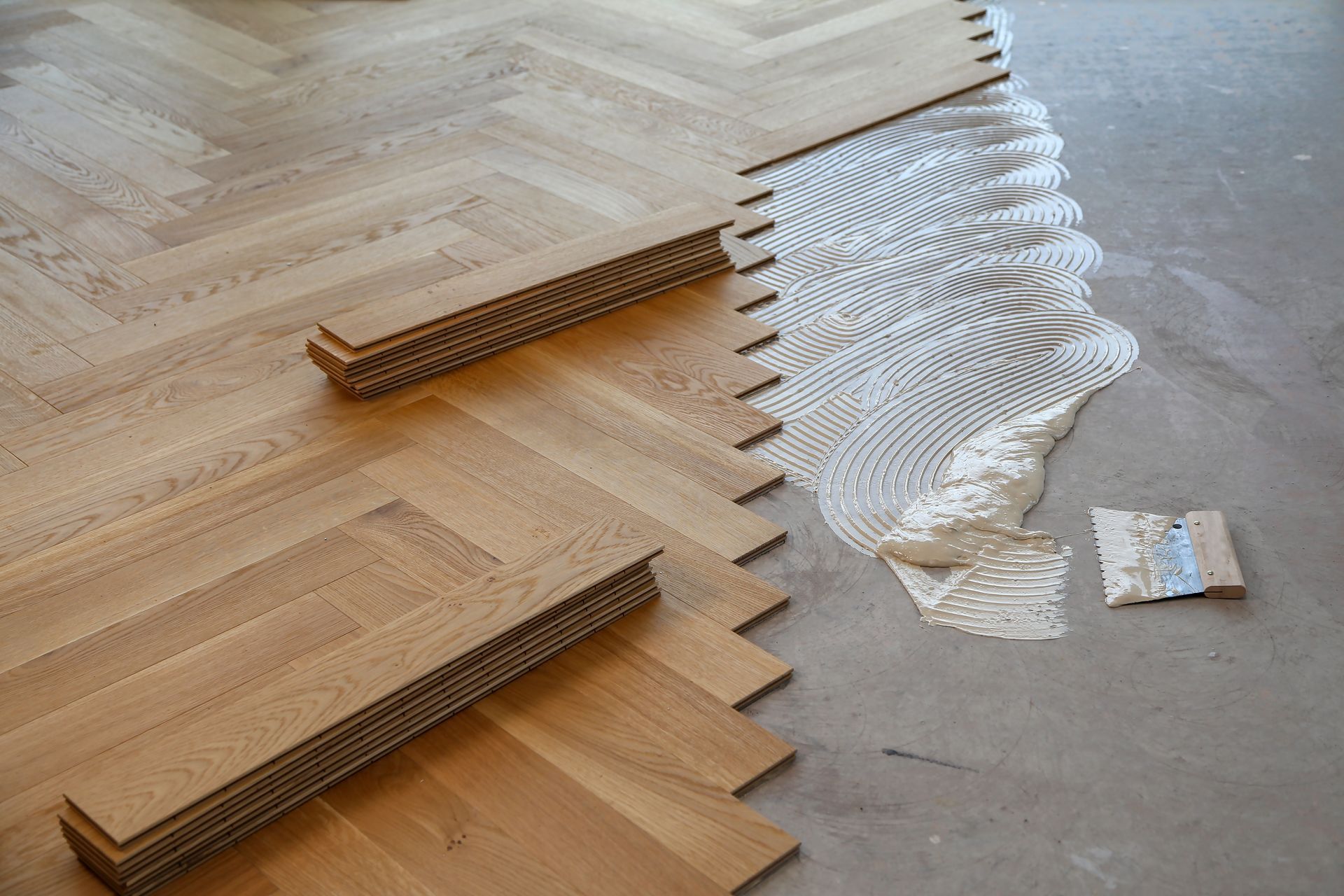
What Proper Subfloor Preparation Requires
Subfloor work involves more than sweeping the surface before installation begins. Installers check for level variation using straightedges across multiple directions, because luxury vinyl plank and tile both require flatness within one-eighth inch over ten feet to prevent lippage at seams or cracking under weight. Low spots get filled with floor patch compound, high spots are ground down or shimmed beneath new underlayment, and any loose sections are refastened to joists to eliminate flex that would eventually break grout lines or separate plank locking systems.
After installation, you'll see consistent reveal lines where flooring meets cabinetry, no gaps under door casings that were undercut to exact height, and transitions between rooms that don't catch your foot or create tripping edges. Room-to-room installations require planning the layout so plank or tile patterns flow naturally through doorways without awkward narrow cuts that highlight poor planning. The finished floor sits uniformly across the entire space without dips, rises, or spongy areas that indicate incomplete prep work underneath.
Whole-home flooring projects involve coordinating material transitions, managing furniture removal logistics, and sequencing installations so you retain access to essential rooms throughout the project. Some installations require acclimation time for materials to adjust to interior humidity levels before they're installed, particularly engineered wood products that expand or contract based on moisture content.
What Homeowners Usually Ask
Flooring projects raise practical questions about preparation, material performance, and how the work affects daily routines during installation.
What happens if the subfloor has damage that wasn't visible before removal?
The installer exposes the subfloor during demolition, and any rotted plywood, water staining, or structural issues get documented before proceeding, since those conditions prevent proper installation and must be corrected first regardless of the original scope.
How does luxury vinyl plank perform compared to tile in high-traffic areas?
Luxury vinyl plank resists scratching better than most tile glazes and provides more comfort underfoot, but tile offers superior resistance to gouging from dropped objects and maintains its finish without dulling in areas that receive constant wear from grit and sand.
When should flooring installation happen relative to other remodeling work?
Flooring goes in after drywall dust is cleared, painting is complete, and cabinets are installed, but before final trim and baseboard installation so the flooring can slip beneath trim for clean edges without visible gaps.
What affects the cost difference between similar-looking flooring products?
Material density, wear layer thickness on vinyl products, tile body composition, and locking system quality on plank flooring all affect longevity and price, with thicker wear layers and denser tile bodies providing better durability in Colorado Springs homes where outdoor grit gets tracked inside year-round.
How long before the floor can handle normal use after installation?
Luxury vinyl plank and tile can handle foot traffic immediately after installation, but grout needs seventy-two hours to cure before exposure to moisture, and some adhesive systems require twenty-four hours before placing furniture to avoid indentations in the setting layer.
InstallX handles flooring installations across multiple room types and material systems, from single-room updates to whole-home replacements. Schedule a consultation to review material options based on your specific traffic patterns and subfloor conditions.